

What’s News?
Be Ready for Anything: Grab Yourself Some Jumper Leads

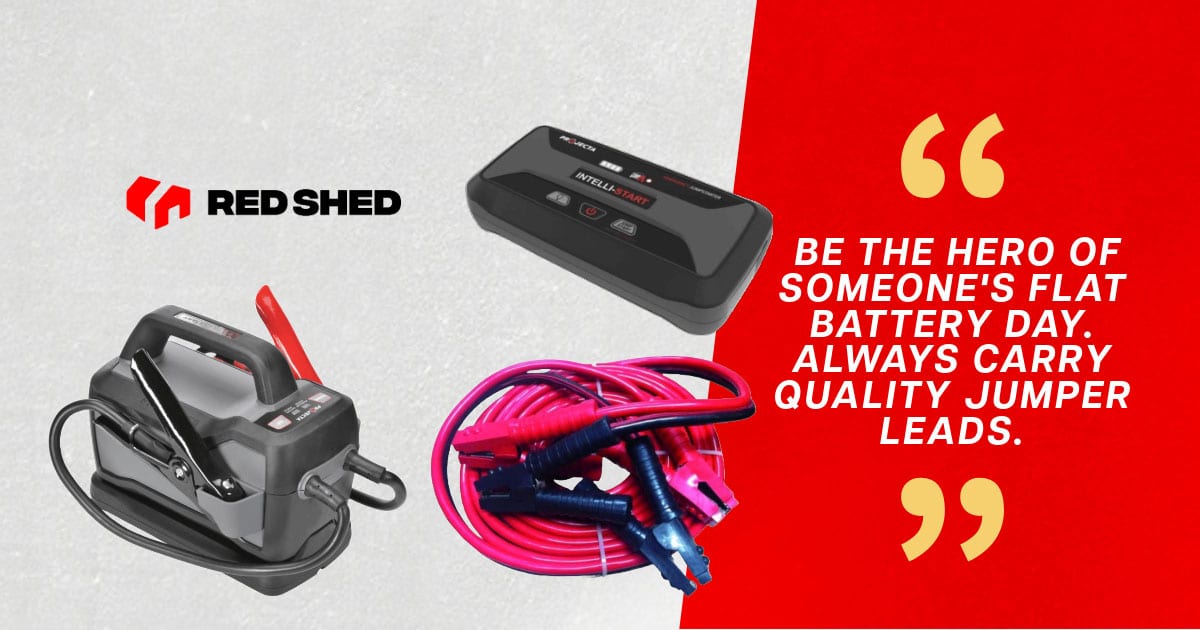
Table of Contents
Save yourself the "F" it. Keep going with suitable jumper leads.
Imagine you're on the side of the road, your car refusing to start, and the frustration mounting. What if you could be ready for anything, equipped with the best jumper leads that ensure you're never stuck again? Whether you're a procurement officer in heavy industry, a car owner, a DIY enthusiast, a mechanic, or simply a driver prepared for emergencies, knowing how to choose the suitable jumper leads can save you a whole lot of effort...and a few "f" words.
Jumper Leads - The Basics...
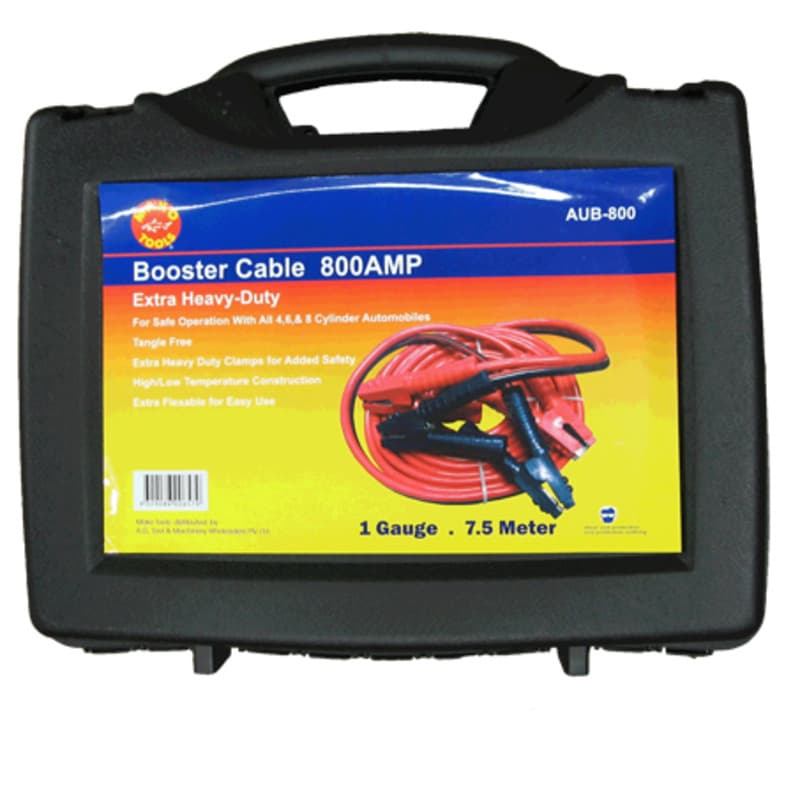
Jumper leads, also known as jump leads or booster cables, are indispensable for anyone who drives. They serve the critical function of connecting a dead battery to a functioning one, providing the necessary jump-start. These leads typically come equipped with alligator clips to attach securely to battery terminals. However, not all jumper leads are created equal. The quality of the leads can significantly impact their reliability and safety.
Amp jumper leads are available in varying lengths, thicknesses, and materials. The size of the jumper leads can dictate how easily you can connect two vehicles, while the thickness (or gauge) determines the capacity to handle different battery types. Leads with higher copper content generally offer better conductivity. Quality construction and proper use of jumper leads ensure they work safely and effectively, providing much-needed power to a dead battery.
In addition to basic connectivity, knowing the correct procedure for using jumper leads is crucial. Attaching the leads in the wrong sequence or using damaged cables can result in sparks or even a battery explosion. Before you purchase, you must understand their features and how to use them correctly.
Types of Jumper Leads Available
The variety of jumper leads can be overwhelming. Heavy-duty jumper leads are designed for industrial and commercial vehicles like trucks and buses. They are robust and can handle the higher amperage required by large batteries. Heavy-duty jump leads offer reliability and strength but are often bulkier and more expensive.
On the other hand, standard jumper leads are suitable for most passenger cars and light vans. They strike a balance between capacity and portability. Emergency compact jumper leads are great for car owners needing a lightweight, portable solution. These are designed to be easily stored in a car's boot and are ideal for quick fixes.
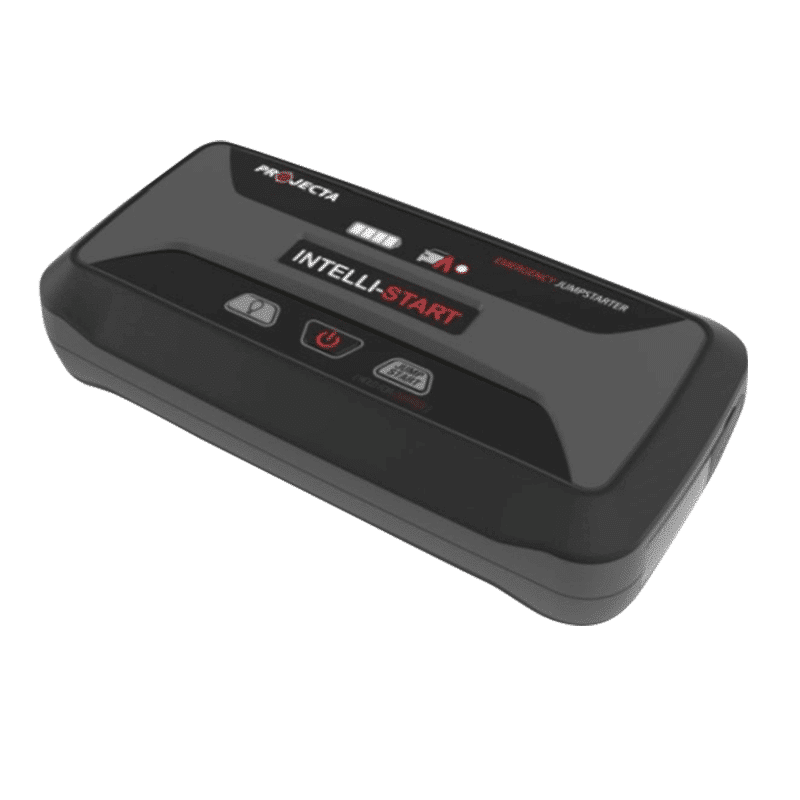
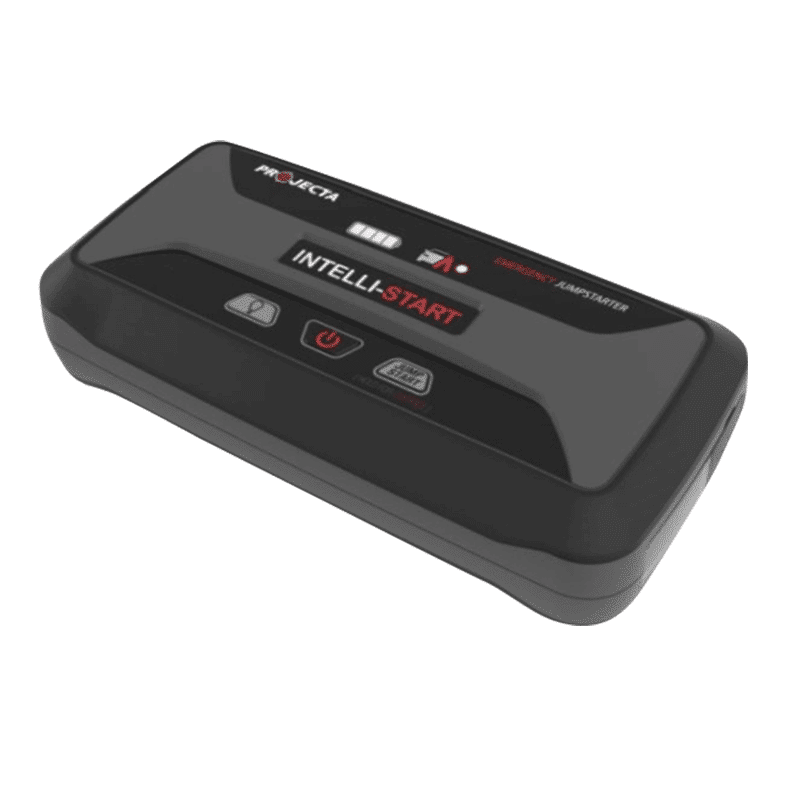
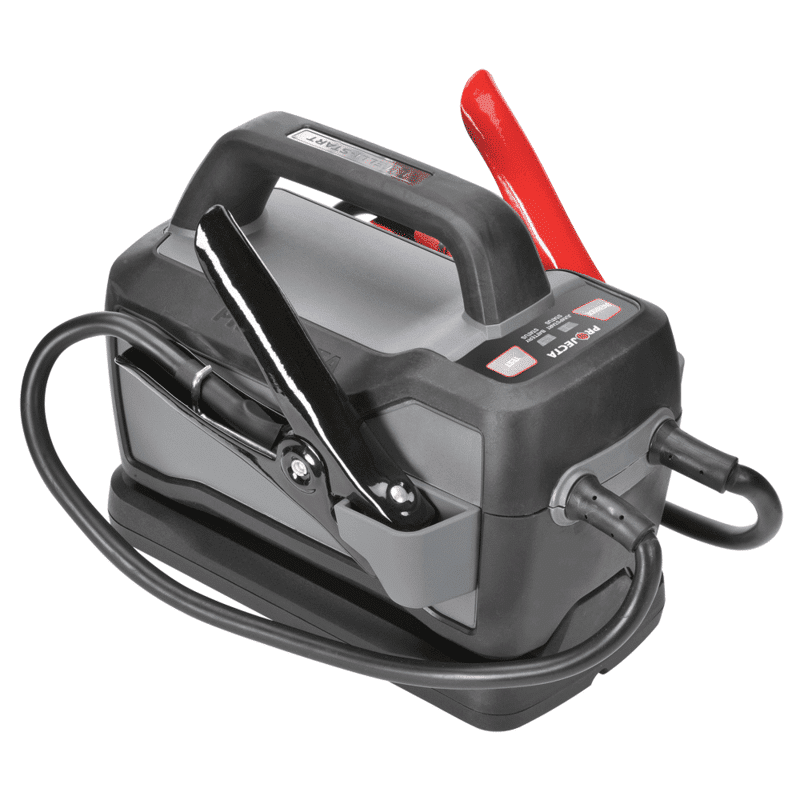
Another option is intelligent jump starters, which combine traditional jumper leads with a battery pack. 12V 1500AMP Lithium Jumpstarters and 12V 1200AMP Lithium Jumpstarters provide extra convenience, especially for car owners who frequently drive long distances. Booster cables also vary in copper content and insulation quality, affecting their performance and longevity. When choosing, consider your specific needs and the type of vehicles you will jump-start.
Our sales team are here to help if you are finding it hard to choose. Email: sales@redshed.au
Factors to Consider When Shopping for Jumper Leads
Finding the suitable jumper leads for your vehicle involves considering several factors. The cable length is vital because it affects how easily you can connect two cars, especially if parked awkwardly. Longer cables offer more flexibility, though they are less efficient in power transfer.
The gauge or thickness of the cable determines how much power it can carry. Thicker cables with a lower gauge number can handle heavy-duty applications, while thinner cables with a higher gauge number are suitable for standard vehicles. Quality insulation is another critical factor—it prevents the leads from damage, especially in harsh weather conditions, and ensures their longevity.
Durable connectors or clamps provide a secure grip on battery terminals, preventing slippage and sparking. Always check for compliance with safety standards, ensuring your purchase leads have been tested for performance and safety. This might include looking for certifications and user reviews that vouch for the product's reliability.
Safety Tips for Using Jumper Leads
Using jumper leads properly is as crucial as selecting the right ones. Safety should always be your priority. First, always refer to the vehicle's manual to check any specific instructions or cautions regarding jump-starting. Ensure both cars are turned off before connecting the jumper leads.
The sequence of attaching the leads is essential to avoid sparks and potential hazards. Connect the red lead to the dead battery's positive terminal and then to the positive terminal of the functioning battery. Next, attach the black lead to the negative terminal of the functioning battery and finally to a grounding point away from the dead battery.
Always wear safety gloves to prevent accidental electric shocks. Before each use, inspect the cables and connectors for damage. Using damaged equipment can lead to ineffective jumps or even unsafe situations. Always disconnect the leads in reverse order once the vehicle runs to ensure safety and efficiency.
Troubleshooting Common Car Battery Issues
Understanding common car battery issues can save you from many roadside headaches. Dim headlights are often the first indicator of a low battery needing a charge. If you notice your engine cranking slowly, it might indicate that your battery is weakening and needs a jump or replacement.
Corroded terminals can interrupt the current flow, so always check for any buildup around the battery terminals and clean them if necessary. A clicking sound during start-up often indicates a dead battery that might need more than a jump-start. Regularly checking your battery and ensuring it is in good condition can prevent unforeseen failures.
Top Recommendations for Jumper Leads
When choosing suitable jumper leads, there are several top recommendations to consider. For heavy-duty jumps, particularly for large vehicles like trucks, you can go right with industrial jumper leads. They're designed to cater to the high demands of larger batteries and provide reliable performance.
Mid-range jumper leads offer a great balance between efficiency and cost for everyday car owners and DIY enthusiasts. Innovative jumper kits, like the 12V 1500AMP Lithium Jumpstarter and 12V 1200AMP Lithium Jumpstarter, are perfect for those who frequently travel long distances or may need to jump-start their vehicle away from others.
Compact emergency lead sets are ideal for anyone who needs a portable option that fits easily in a boot. Professional-grade leads are highly reliable and perfect for mechanics who frequently need to jump-start various vehicles.
Red Shed stocks a variety of high-quality jumper leads. For more information, call 1800 330 318 or email sales@redshed.au.
Frequently Asked Questions
What is the correct order to attach jumper cables?
To jump-start a car, first, park the vehicles close but not touching, and turn off both engines. Attach the red (positive) cable to the positive terminal of the dead battery, then to the positive terminal of the good battery. Next, attach the black (negative) cable to the negative terminal of the good battery, and the other end to an unpainted metal surface on the car with the dead battery. Start the car with the good battery, then the one with the dead battery. Once started, remove the cables in reverse order and let the car run to recharge the battery.
How to use Jumper Leads?
Always follow the manufacturer's instructions and safety guidelines when using Jumper Leads. Ensure both vehicles are turned off before connecting the jumper leads, and ensure the cables are not tangled or touching any moving parts. Remember to connect the leads in the correct order (described in the previous question) and start the working vehicle before trying to start the dead car.
What jumper leads should I buy?
When buying jumper leads, look for a set long enough to reach between vehicles but not too long to cause tangling. It is recommended that leads be chosen with heavy-duty clamps that provide a secure connection to the battery terminals. Additionally, consider the gauge of the cables—the lower the gauge number, the thicker the wires, which can handle higher currents more efficiently. Choose a set that fits your vehicle's needs, and always keep them in good condition for emergencies.
Need to know more? Have a specific jumper lead brand or requirement? Contact us at sales@redshed.au and we'll be happy to assist.