


What’s News?
Know Your Caramel Wheel Facts

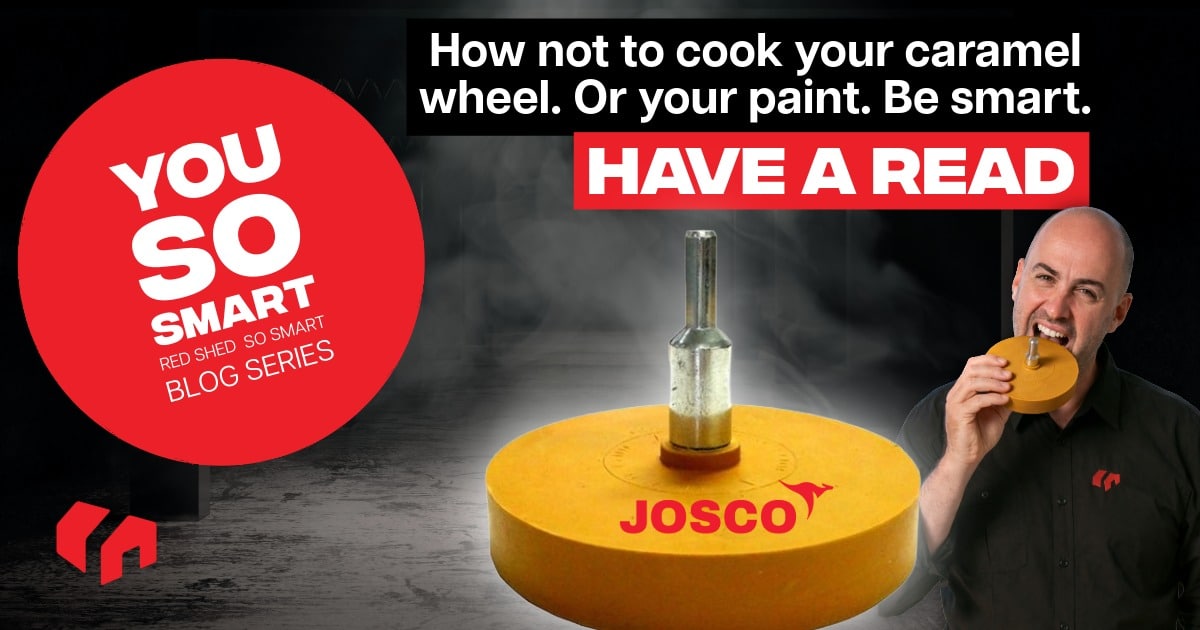
Table of Contents
Why the Caramel Wheel Makes You Look Like You Know What You’re Doing
There are two types of people removing decals.
One attacks it with a razor blade and hope.
The other grabs a drill, sets the speed properly, and quietly gets it done without drama.
The second person?Looks like they’ve done this before.
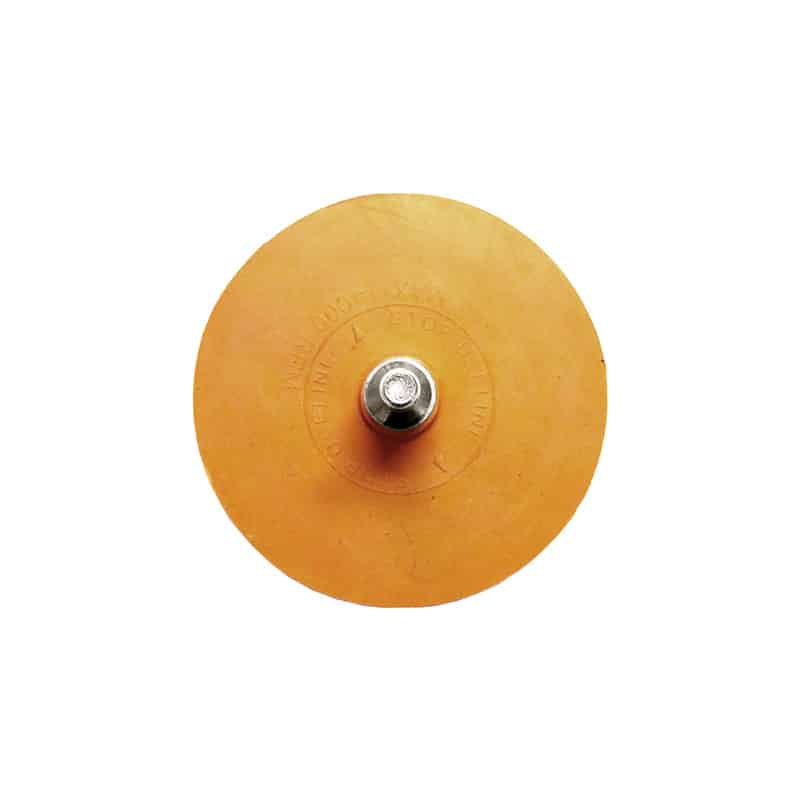
Enter the Josco 90mm Caramel Wheel
Also known as the toffee wheel.
Also known as the “why didn’t I buy this years ago” wheel.
On first time use you'll understand its sweetness.
But it’s not magic.
It’s just physics.
And if you respect it, it’ll make you look very competent.
Here's some caramel wheel tips and tricks to make you look like the sharpest tool in the shed at smoko...
First — It’s Not Sandpaper
Biggest myth going around?
People think a caramel wheel grinds decals off.
It doesn’t.
It works on friction, not abrasion.
The rubber compound is:
- Softer than your clear coat
- Grippier than the adhesive
When you run it at the right speed, it generates just enough heat to soften the glue. The wheel grabs the vinyl and rolls it off into little rubber beads.
No gouging. No sanding marks.
No “that’ll buff out” optimism.
If you’re sanding paint, you’re doing it wrong.
The 4,000 RPM Rule (Read This Twice)
Maximum operating speed?
4,000 RPM.
Sweet spot?
Around 2,000 RPM.
If the logo on the wheel is a blur, you’re too fast.
Go full trigger-happy and you’re not working smarter — you’re building heat.
Heat cooks clear coat. Heat shreds wheels.Heat turns tidy work into panel shop work.
Low and controlled wins.
Start slow. Feel the grab. Let the wheel do the heavy lifting.
Use the Leading Edge — Always
Don’t slam the flat face into the panel.
Use the outer edge only. Work side to side. Keep it moving.
Sit in one spot and friction builds fast.
Friction doesn’t care how confident you are.
Plastic, Fibreglass & Soft Paint Systems
Metal panels can shed heat.
Plastic bumpers and fibreglass? Not so forgiving.
They heat up fast. Stay too long and you can:
- Burn paint
- Warp panels
- Eat chunks out of the substrate
Also worth knowing — not all factory paint is equal. Some finishes are softer than others.
Professional move?
Test a small, low-visibility area first.
Every time.
Why Some Caramel Wheels Have Notches
Those vanes or “teeth” aren’t for looks.
They:
- Help cool the surface
- Provide consistent mechanical bite
- Reduce glazing and extend wheel life
But with more bite comes more responsibility.
Steady hands win.
A Quick Reality Check on Safety
A caramel wheel doesn’t create fumes like a heat gun.
It creates dust.
On modern coatings, basic PPE is fine.
On older paint systems or unknown substrates?
Different story.
If you’re working on older industrial assets, wear a P100-rated mask.
Mechanical removal creates particulates.
Your lungs don’t care how small they are.
Professional finish includes professional protection.
Can It Handle Sun-Baked, Fossilised Decals?
Absolutely.
The 10-year-old fleet graphics that look fused to the panel?
This is what it’s built for.
It softens adhesive mechanically instead of drowning it in chemicals.
Less mess. More control.
And yes — it smells faintly like toffee when it’s working.
That’s the rubber heating.
Better than solvent vapour all afternoon.
What You Can Run It On
- Electric drill
- Battery drill
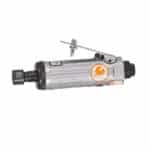
- Die grinder
- Air-powered rotary tool (great for torque control in workshops)
Just keep it under 4,000 RPM.
Air tools don’t forgive overspeed.
Why It Changes How You’re Perceived
Anyone can scrape.
Anyone can attack something.
But when you...
- Set the speed properly
- Use the leading edge
- Keep it moving
- Test the substrate
- Wear the right PPE
You look like you understand what you’re doing.
Because you do.
Clean surface. Paint intact.
No rework.
That’s the difference between force and control.
And that’s why the caramel wheel makes you look like you know what you’re doing.
Because now you do. Smart!
Cheers - Craig.
Caramel wheel facts in a flash...
A:
- Sweet spot: Around 2,000 RPM
- Working range: 1,500–3,000 RPM
- Absolute max: 4,000 RPM
If the logo on the wheel is a blur, you’re too fast.
More speed does not mean faster results. It means more heat — and heat is what damages paint.
A:
You risk:
- Burning clear coat
- Warping plastic panels
- Shredding the wheel
- Leaving heat marks
Think of 4,000 RPM as the redline. Stay below it.
A: Yes — but carefully.
Plastic holds heat differently to metal. It builds temperature quickly and doesn’t dissipate it well.
Run the tool slower, use light pressure, and keep it moving constantly. Never sit in one spot.
The notches:
- Improve airflow and cooling
- Provide consistent mechanical bite
- Reduce glazing
- Extend wheel life
They remove material faster — but require a steady hand.
You can use:
- Standard electric drill
- Battery drill
- Die grinder
- Air-powered rotary tool
Workshops often prefer air tools because they provide smooth torque at controlled speeds — but always monitor RPM.
A: Yes.
That’s where it really shines.
Instead of attacking the surface with chemicals or scraping, the wheel softens and rolls off hardened adhesive through controlled friction.
Old fleet graphics? No problem — just take your time.
The wheel creates dust particulates, not fumes.
On modern paint systems, basic eye protection and a dust mask are good practice.
On older or unknown coatings, a P100-rated mask is recommended — especially if lead or heavy metals could be present.
Your lungs don’t care what year the paint was applied.
Yes.
It will roll off most adhesive residue. For any final light film, a suitable adhesive remover can be used after mechanical removal.
Mechanical first. Chemical second. That’s the smart order.
That depends on:
- Surface type
- Adhesive type
- Speed used
- Pressure applied
Run at correct RPM with light pressure and the wheel will last significantly longer than if you overspeed it and melt the compound.
Respect the RPM and it respects you back.
A: Yer, heat guns can…
- Overheat paint quickly
- Vaporise old coatings
- Warp plastic
A caramel wheel gives you controlled mechanical removal instead of uncontrolled heat.
It’s cleaner and often safer — when used correctly.